
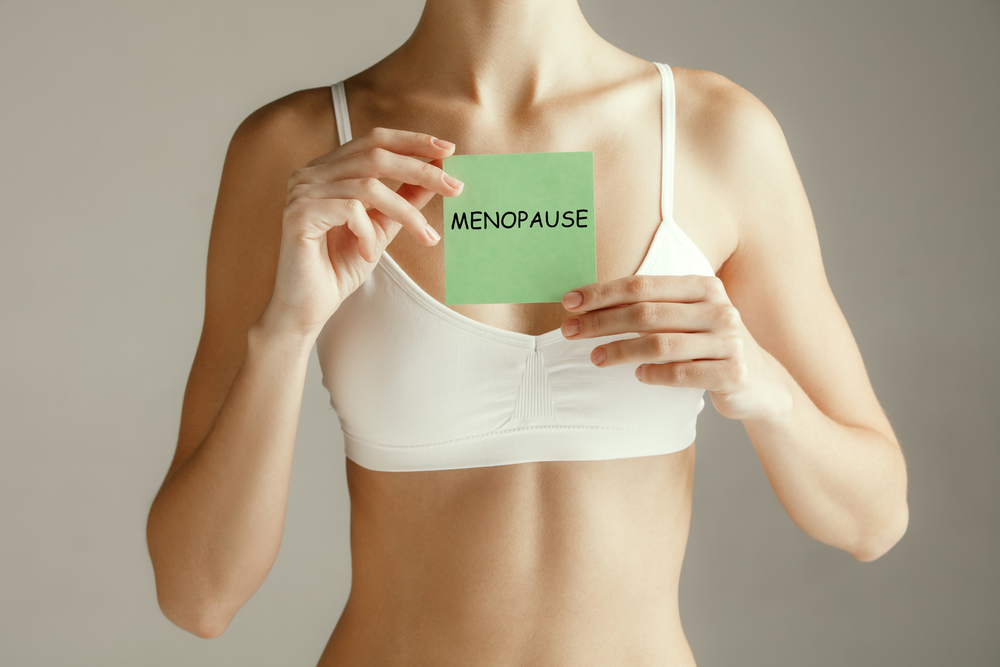
As we age, our bodies start to produce hormones at a reduced rate. This negatively affects our physical and emotional well-being. Fortunately, natural hormone therapy can help. Keep reading to discover the answers to frequently asked questions regarding this safe, effective hormone replacement treatment method.
Natural Hormone Therapy: Commonly Asked Questions
Do I Need Hormone Replacement Therapy?
The rate of our hormone production starts to drop in our late 30s. For women, progesterone levels begin to decrease significantly around 25. Before receiving hormone replacement therapy, or HRT, your hormone levels will be tested. Here are some signs you may need to receive hormone replacement therapy:
- Low libido
- Unexplained loss of muscle mass
- Insomnia
- Fatigue
- Reduction in self-confidence
- Depression
- Increased belly fat
While most people begin to replace their hormones between the ages of 35 to 40, it is never too late to start.
What Type of Hormone Test Should I Get?
There are two types of hormone tests which are widely used and accepted by the medical community to be accurate and useful. Blood tests measure both inactive, or protein-bound, hormone levels and active hormones not bound to proteins. This is currently the most commonly used testing method because historically, it has been easier to measure.
Saliva tests measure the levels of active hormones. While these levels are significantly lower than inactive hormone levels, this testing method is becoming more common as medical technology continues to advance. In addition, urinary tests can help to determine how your body reacts to hormone replacement therapy.
Why Is Iodine Important?
Iodine plays several roles in our health. First, it helps your body metabolize estrogens into protective pathways. Moreover, it is necessary for healthy thyroid function, and helps your body excrete toxic halides, such as bromates, bromides, chlorine, and fluoride.
How Do Our Bodies Make Hormones?
Steroid hormones, such as DHEA, estrogen (estradiol, estriol, and estrone), pregnenolone,testosterone, and progesterone, are made with cholesterol. The liver is responsible for manufacturing cholesterol. For the most part, the production of these hormones occurs in the ovaries and adrenal glands. However, fatty tissues may both produce and store all three types of estrogen.
Each steroid hormone plays a different role in your body’s functions. Some, such as DHEA and progesterone, are also transitional precursors of the estrogens and testosterone.
Why Do Women Need Testosterone?
Testosterone plays several key roles in the body for men and women alike. It maintains your sex-drive or libido, helps your body build bone, allows you to maintain muscle tone, and increases your energy. In women, it also serves as a precursor for the production of estrogen.
Can I Use Wild Yam Creams Instead of Progesterone Creams?
While labs can convert plant hormones from wild yam to progesterone, your body cannot convert it. Despite having some progestin-like activity, wild yam cream is an ineffective substitute for progesterone. Clinical studies fail to show a benefit for menopausal symptoms. The only circumstance under which wild yam cream would be a beneficial source of progesterone is if it contained significant levels of natural progesterone. Prescription natural Bio-identical progesterone is a better option for improving symptoms and hormone imbalances.
Schedule Your Initial Free Consultation Today! (904)694-0992
Do you have any more questions about natural hormone therapy? If so, contact the friendly professionals at Thin MD Med Spa today to schedule your initial consultation. Call now to schedule! (904) 694-0992.